
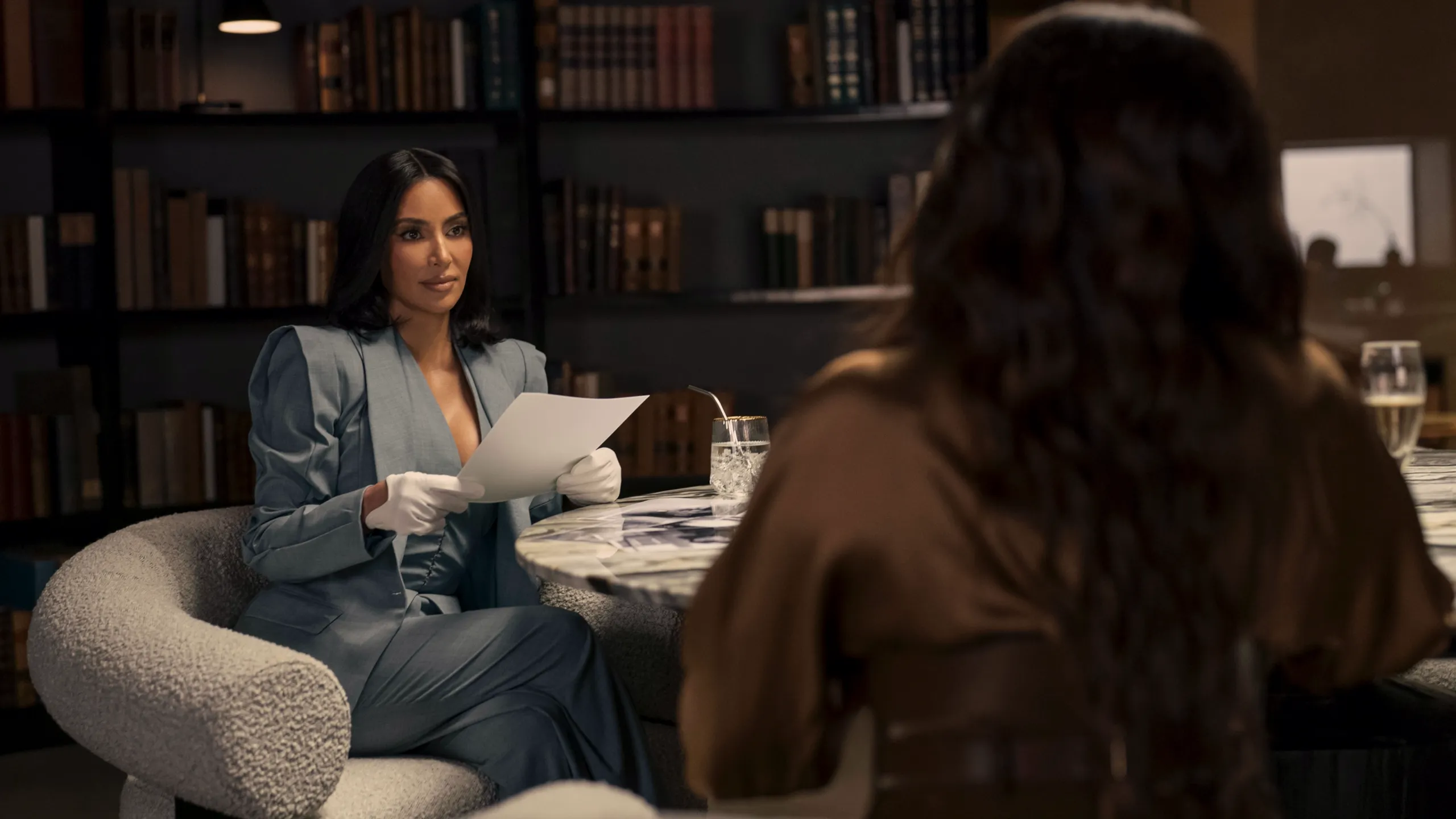
On November 4th, Kim Kardashian’s highly anticipated Hulu legal drama, All’s Fair, premiered. In the show, Kim K. finally lived out her on-screen fantasy, playing a ruthless, powerful, top-tier divorce attorney who calls the shots in Los Angeles.
However, the glamour of her fictional success barely lasted a few days. On November 7th, reality struck when she learned she had once again failed the notoriously difficult California Bar Exam. The woman who seemed unstoppable on screen was revealed to be certificate-less in real life. Adding insult to injury, the show’s reception was a catastrophic flop, registering a “zero” Freshness Rating on Rotten Tomatoes. Between acting the part and trying to earn the qualification, the week was, by all accounts, a disaster for her.
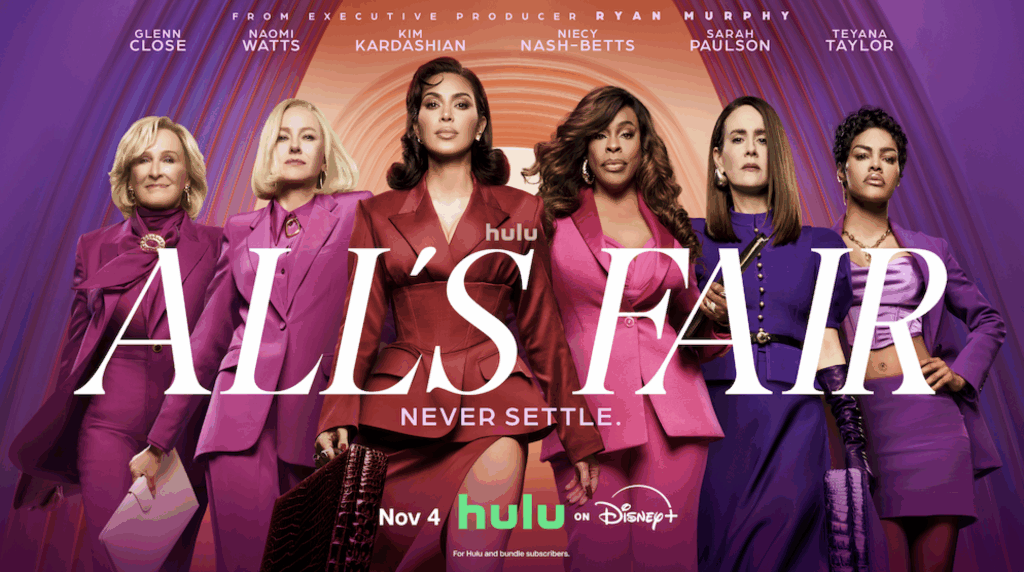
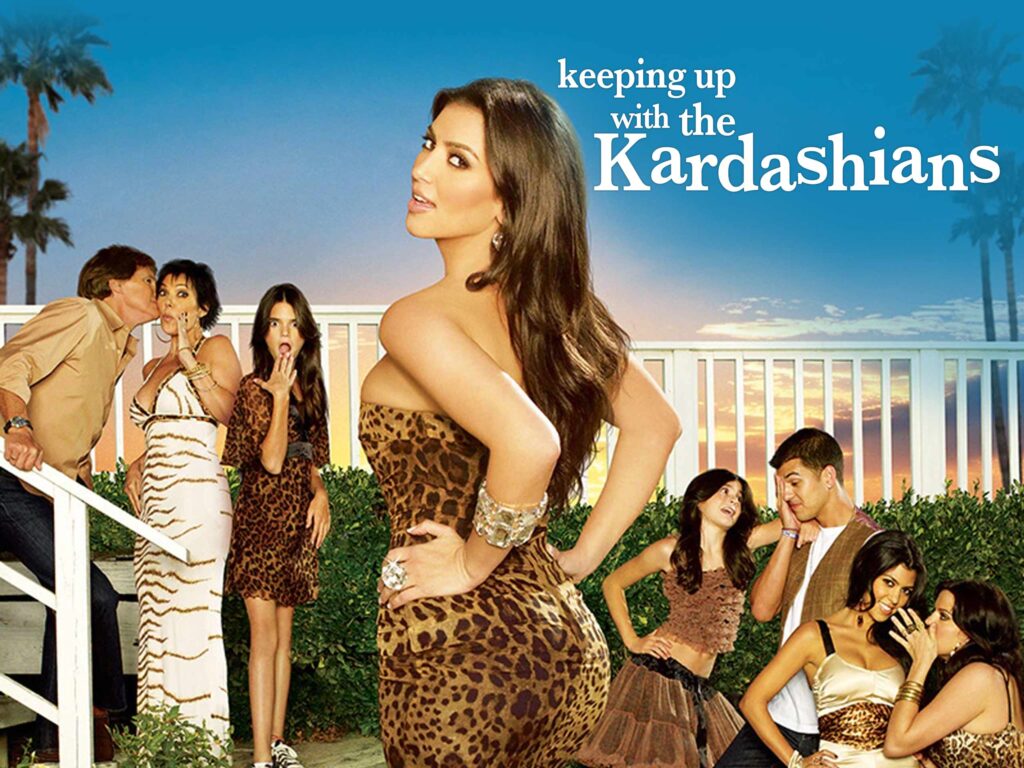
For those unfamiliar with the celebrity landscape, the name Kim Kardashian is usually synonymous with “traffic,” “reality TV queen,” or “billionaire.” It is difficult to associate her with dry, serious legal codes.
As the daughter of the late Robert Kardashian, the famous defense attorney for the O. J. Simpson murder trial, Kim seemed to suddenly awaken her family’s legal DNA in her late thirties. However, she did not take the traditional route of attending law school. Lacking a college degree, she opted for the state of California’s “Law Office Study Program,” which permits students to qualify for the Bar by apprenticing for four years in a law firm and passing a series of rigorous examinations.
Due to the extremely high attrition rate, this path is often considered even more challenging than a conventional law degree. While her initial motivation was admirable—she claimed she wanted to study law to pursue criminal justice reform and help the wrongfully convicted—six years later, this long journey of preparation has yet to reach a happy conclusion.
In a recent vlog, Kim candidly admitted, “It was disappointing, but it wasn’t the end.” She vowed to keep fighting for her dream.
Yet, she then proceeded to pin the blame for her failure on the occult and artificial intelligence. Kim K. fumed that a group of psychics had confidently predicted she would pass this time, and after being proven wrong, she declared all fortune-tellers were henceforth banned from her life. Furthermore, she blamed ChatGPT, claiming she had over-relied on the AI for her studies, only for its legal advice to be “always wrong,” directly causing her to fail simulated exams. It sounds suspiciously like a classic excuse offered by a student trying to avoid doing their homework.
Kim K.’s vlog on TikTok did not garner the unified sympathy and encouragement she likely sought. The core of the controversy lies in the public’s skepticism regarding her “genuine emotions.”
While some netizens expressed understanding, arguing that, setting aside her celebrity aura, she is just an ordinary person who experiences anxiety and failure at exams, the majority were quick to point out the underlying issue: the overwhelming sense of “Manufactured Relatability.”
Kim Kardashian has a rich history of “stunt and hype.” For over a decade, virtually no aspect of her life has been private; everything is monetizable, and everything is material for the next season of her reality show.
Therefore, when she displays vulnerability and stress on camera, the audience’s first reaction is often not sympathy but suspicion: Is this genuine pain, or is it a trailer for the next season of The Kardashians?
More practically, the difference between Kim Kardashian’s “failure” and an ordinary person’s “failure” is vast. For a regular person, failing the Bar might mean a stalled career and financial hardship; for Kim, failing the Bar means she still lives in a mansion and can even leverage the display of failure itself to generate immense traffic and buzz. Win or lose, she is always the winner.
In the eyes of many, this kind of seemingly “down-to-earth” performance of misery is an arrogant extraction of emotional value from the general public.
Today’s netizens are becoming increasingly savvy, and this clarity has led to a disenchantment with the woes of the elite. From Victoria Beckham claiming to come from a “working-class” family to various celebrities being mocked for complaining about the difficulty of quarantine in their luxury homes, the public has lost patience with these “let them eat cake”-style performances. People are beginning to realize that an unbridgeable wall of human experience separates the Top 1% from the average person.
For the internet natives of today, if you are truly wealthy, show your wealth—don’t pretend you can’t afford bread; if you truly fail, work hard in silence—don’t try to package your failure as another successful talking point.
For Kim, the lawyer’s license may be a dream, but for the viewers, it is merely another dramatic chapter in her long, never-ending reality show.

Leave a Reply