
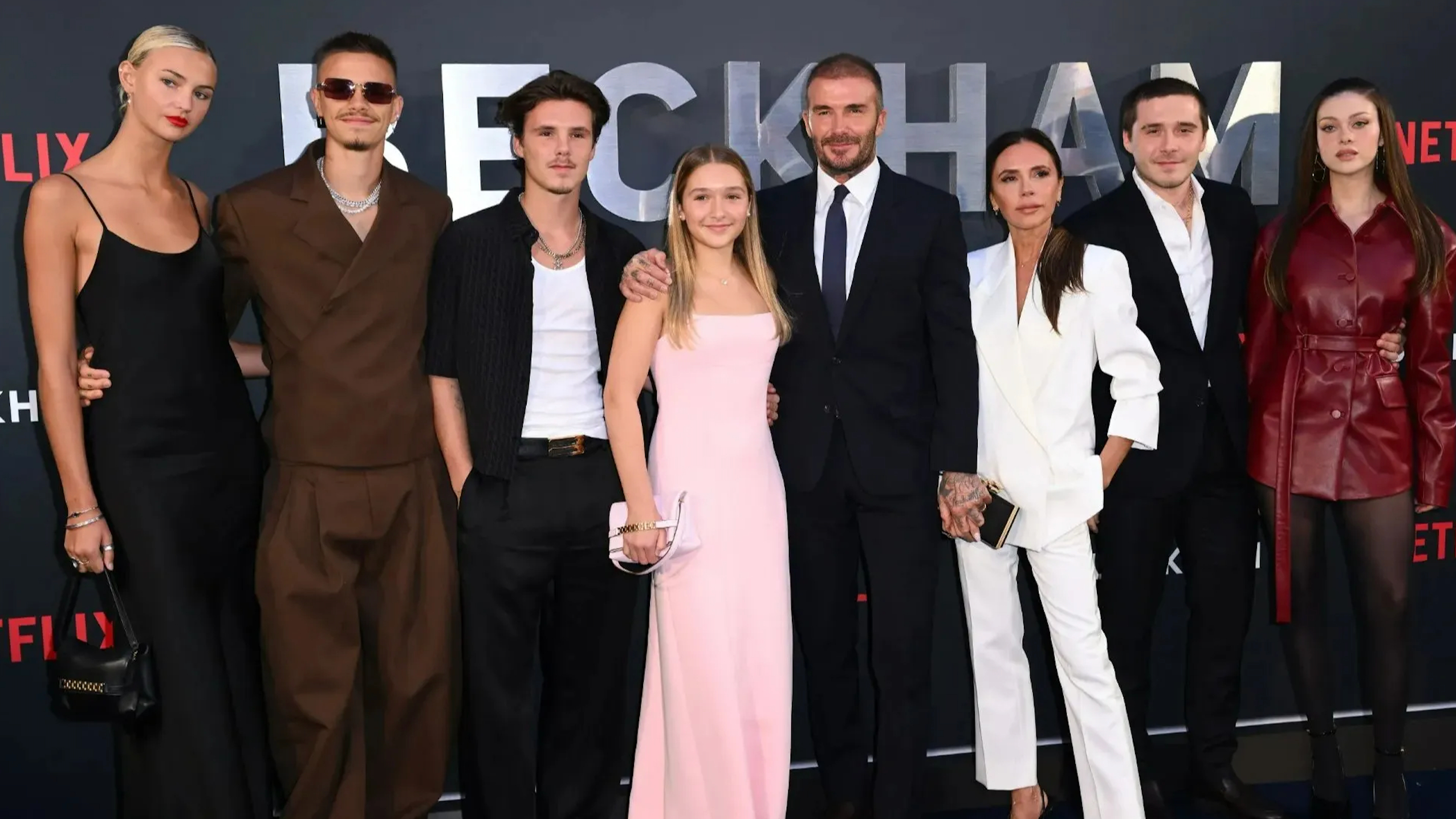
On January 20, 2026, Brooklyn Beckham posted a lengthy statement on Instagram, publicly accusing his parents, David and Victoria Beckham. In the post, he detailed how his parents have long prioritized family brand interests over their own children and their consistent exclusion and disapproval of his wife, Nicola. This included sabotaging the wedding, privately disparaging Nicola, and the core point of contention: demanding he sign an agreement restricting the commercial use of the “Beckham” surname. Brooklyn claimed that in order to maintain the family brand, he was not only financially constrained but also emotionally manipulated by his parents through media narratives and domestic ostracization.
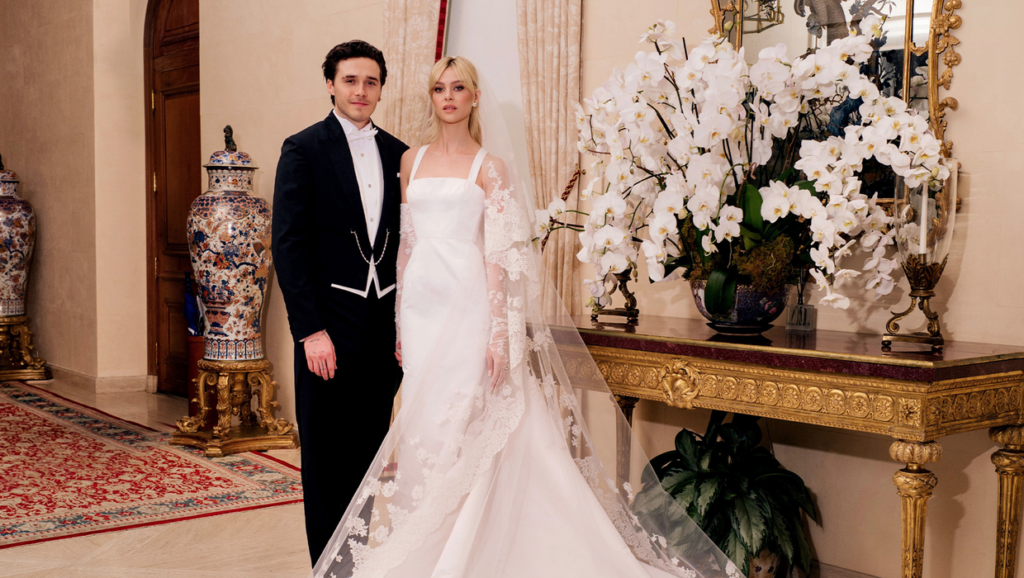
During that £3 million “wedding of the century” in 2022, while the outside world only saw Nicola Peltz looking stunning in Valentino haute couture, the reality behind the scenes was the embarrassment of Victoria “reneging” on a deal at the last minute and refusing to design a dress for her daughter-in-law. Furthermore, Brooklyn stated that his mother, Victoria, interrupted his first dance with his wife to dance with him herself. He stated bluntly that it was the most humiliating moment of his life, and he realized that in his mother’s eyes, the wedding was more like a “Beckham Brand” launch event.
On social media, the Beckhams have been synonymous with “extreme self-discipline” for years. The public impression of them is often defined by a parenting philosophy of “pushing themselves, not their children.” The couple has maintained near-obsessive high standards for their physiques, careers, and skincare for decades, while appearing effortless and relaxed about their children’s professional trial-and-error.
However, Brooklyn’s accusations provide a new perspective, revealing the tight brand logic behind this apparent “relaxation.” Looking back at the thirty-year brand journey painstakingly managed by the Beckhams: in 1999, the union of the star footballer and the “Posh Spice” member, orchestrated by manager Simon Fuller, was destined to be more than just a marriage. They were global pioneers in turning “family” into a commercial IP. When Victoria founded her personal fashion brand VB in 2008, her tenacity and coldness caught the fashion world’s attention. Even during the darkest moments when the brand lost tens of millions of pounds, she maintained the brand’s prestige through layoffs, budget cuts, and having the entire family sit in the front row of her fashion shows. For her, a family photo of the five of them is the ultimate marketing poster; every move of every family member serves to keep this precision-engineered commercial machine running.
The “naming rights” mentioned in Brooklyn’s post also reflect this Beckham brand mindset. He revealed that his parents demanded he sign a rigorous pre-nuptial agreement restricting him, Nicola, and their future children from using the “Beckham” surname in commercial activities. To them, “Beckham” is not a simple family symbol, but a global gold-standard brand valued at hundreds of millions of pounds, covering everything from clothing and beauty to sports teams and spirits. As early as 2017, Victoria registered the name of their five-year-old daughter, Harper, as a trademark for use in cosmetics and clothing.

This strategy of “commodifying” the family is, in Brooklyn’s view, the root of their estrangement. As the conflict escalated, the cracks within the Beckham family evolved into full-scale ostracization: Nicola was banned from David’s private 50th birthday party, and Brooklyn’s brothers, seemingly at their parents’ behest, began a collective “cold shoulder” against him on social media platforms.
However, this “Declaration of Independence,” full of grievances, has sparked very different reactions across different cultural contexts.
To many Chinese netizens, Brooklyn’s accusations seem like “biting the hand that feeds.” When we think of Brooklyn, he has no label other than being “the Beckhams’ eldest son.” His mediocrity on the football pitch, his ridiculed photography book, and his cooking show (which was exposed for using professional ghost-chefs) all received top-tier traffic and sponsorships solely because of the “Beckham” name. Some sharper critics have pointed out that Brooklyn’s so-called “independence” is merely a shift from depending on his parents to depending on his father-in-law, Nelson Peltz, who is worth $1.6 billion. This “matrilocal-style” (living off the wife’s family) awakening finds little resonance in East Asian values, which emphasize pragmatism and gratitude. Without his parents’ halo, he might not have even entered the peripheral vision of the prominent Jewish billionaire Peltz family.
On Western social platforms, however, the tide of public opinion leans more toward reflecting on “toxic family relationships.” Many people empathize with the details Brooklyn mentioned, such as Victoria’s hostility toward the nanny he was attached to as a child, and the omnipresent “staged life” maintained for social media—likening it to a “Prince Harry 2.0” scenario.
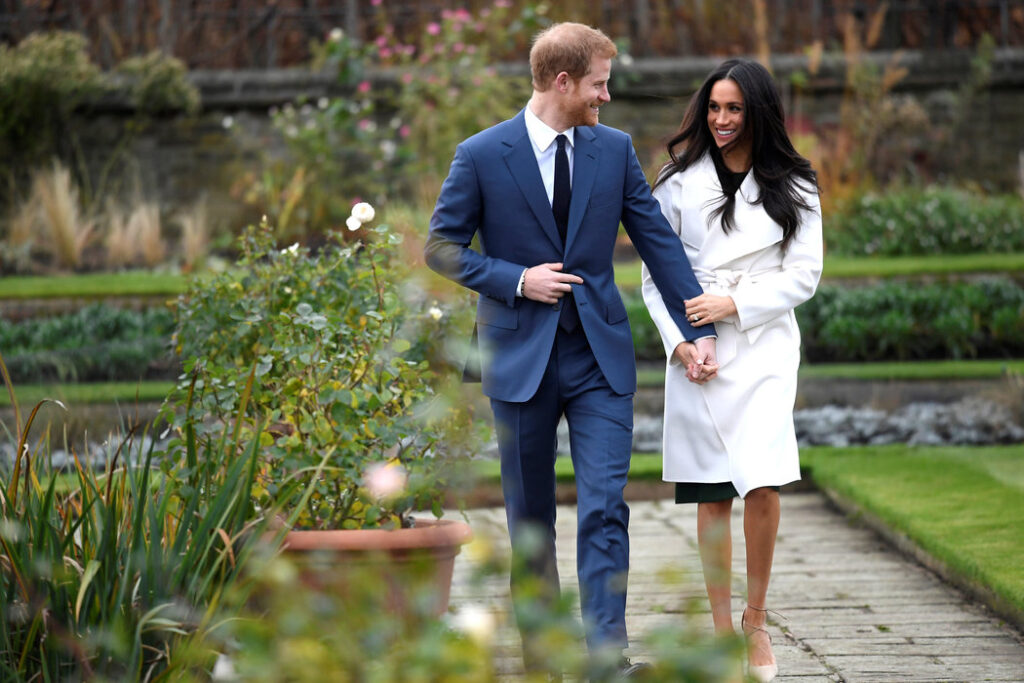
Brooklyn is not the first to tear a celebrity family apart in the public spotlight. Years ago, Prince Harry and Meghan Markle took a similar stance in breaking away from the British Royal Family, accusing “The Firm” of coldness under its corporate operating model, even going as far as confronting the family through documentaries and an autobiography. Additionally, stars like Britney Spears have been embroiled in legal battles over conservatorship, which similarly involve intergenerational control over massive assets.
Currently, David and Victoria maintain their old-school composure, expressing “heartbreak and love” through PR channels without engaging in a public spat. Meanwhile, Brooklyn has legally changed his name to “Peltz-Beckham” and completely severed ties. But in the world of the ultra-elite, “love” and “profit” are a messy account that can never be fully settled. When a family is run like a multinational corporation, and every smile or hug is assigned a commercial valuation, cause and effect become indistinguishable within the cracks. Brooklyn’s declaration of war feels like a young man in his twenties finally trying to see what life tastes like when he doesn’t have to watch his parents’ faces or act as a mere cog in a brand.

Leave a Reply