

The garment is known as the “quarter-zip pullover” (or sometimes a “half-zip”), characterized by a zipper that extends about a quarter of the way down the chest, typically ending above the sternum. A quick glance at the official websites of Adidas, Lululemon, or Uniqlo confirms its status: this style is currently a hot design and selling well. The quarter-zip phenomenon is dominating TikTok’s fashion feeds, and this simple, collared pullover has effectively become the “work uniform” of choice for many young professionals.
But beneath this casual trend, some sharp-eyed economists are noticing more than just a typical fashion cycle. They interpret its rising popularity as a subtle, cultural-level sign of economic contraction, dubbing it the contemporary “Lipstick Index.”
“Lipstick Index,” an unofficial economic indicator proposed by the chairman of the Estée Lauder Group during the Great Depression of 1929. The core logic was this: As economic prospects dim, people cut back on big-ticket items like cars, homes, and true luxury goods. However, to maintain a sense of dignity and emotional well-being, they instead turn to relatively inexpensive non-essentials, such as lipstick. A surge in lipstick sales, paradoxically, became circumstantial evidence of an economic recession.
Today, in the face of high inflation, layoffs, and an unstable job market, consumer spending logic is undergoing a fundamental shift. The old habit of a “one-outfit-for-one-occasion” wardrobe is being discarded. Few people are willing to spend a fortune on a gown only worn once for an event, or an expensive suit only suitable for a pristine office tower. The quarter-zip perfectly resolves this dilemma. It possesses sufficient formality to make you look presentable during a sudden video conference, while also being soft and comfortable enough that you can wear it instantly—no changing needed—for a casual date or a weekend trip to the grocery store.
From an economic perspective, this is the maximum utilization of a garment’s “use value” under a constrained budget. It’s about using the least amount of money to satisfy the widest range of situational needs, making it an efficient, long-term purchase rather than a fleeting fashion investment soon to be forgotten in the closet.
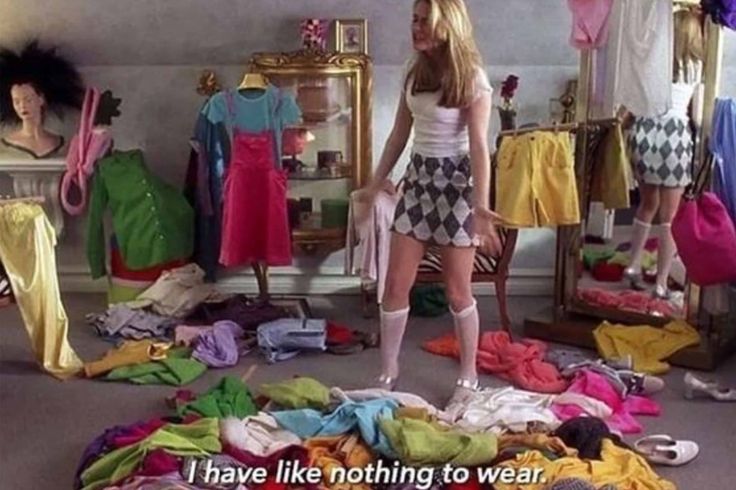
Similar attitudes of pragmatism and caution have historically manifested in different ways during economic downturns. Most straightforwardly, periods of economic gloom often see fashion styles shift from bright and flamboyant to conservative and durable. People prefer timeless, hard-wearing styles that can last for years. Another example is the “Hemline Index,” proposed by American economist George Taylor in 1926, which suggested that the length of women’s skirts moved inversely to stock market performance, reflecting the link between societal mood and economic health. The better the economy, the more open and revealing the fashion tends to be.
Stories of this kind, where small observations reveal big truths, are common. The popular economics book The Economic Naturalist teaches us that seemingly random, everyday choices—why milk cartons are square, why manhole covers are round, why hot dogs are sold in odd numbers—are actually the result of rational calculation concerning cost, benefit, and efficiency. The rise of the quarter-zip hides a collective calculation by consumers facing uncertainty: Use a reliable, versatile, and inexpensive piece of clothing to navigate all of life’s scenes. Pay not for vanity, but for efficiency and durability.
While “recession indicator” may have become a common meme on TikTok, like the “Recession Pop” that saw artists like Lady Gaga and the Jonas Brothers top the charts during the 2008 financial crisis, popular culture and its backdrop are intrinsically linked. But culture often offers hints about the overall societal condition before the data catches up.
The popularity of the quarter-zip acts as a gentle warning: it suggests that consumer psychology is quietly shifting toward conservatism and defense. It is the most concise and practical footnote the spirit of the age has left in the modern wardrobe.

Leave a Reply