
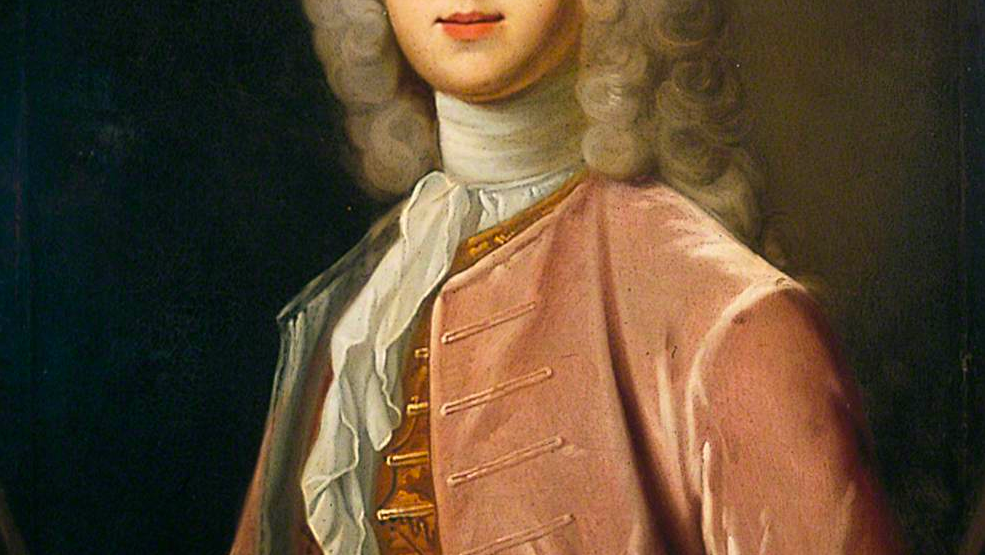
Fashion, it seems, has always operated under a set of unspoken rules, drawing invisible lines that define gender, identity, and status. We’ve grown accustomed to associating soft colors, elaborate makeup, and flowing skirts with femininity, while seeing somber tones and clean lines as the language of masculine attire. But a look into history can turn our modern assumptions on their head. It turns out that many of the symbols we now consider exclusively feminine were once the most dazzling emblems of the masculine world.
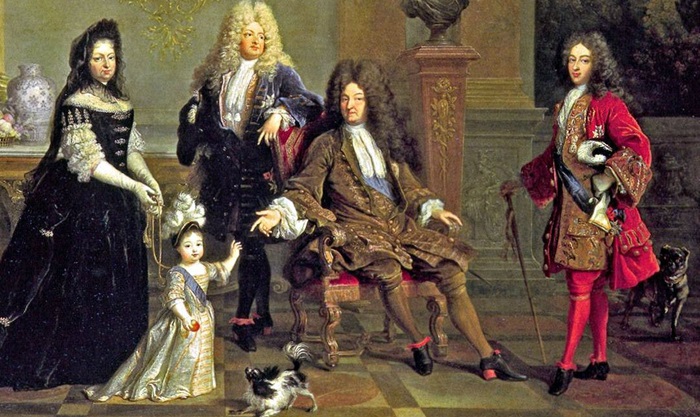
Let’s travel back a few centuries to the royal courts of Europe, an era defined by an extravagant pursuit of male glamour. Picture a nobleman of immense power striding confidently through a gilded hall. The high-heeled shoes he wears, originally designed for Persian cavalrymen in battle, now serve to elevate his stature, making him appear taller and more imposing. These shoes were not just a clever way to add height; their immaculate soles were a silent declaration that he did not need to tread the muddy, common roads of the world. France’s King Louis XIV went so far as to decree that red-heeled shoes were a privilege exclusive to the nobility, each step a resonant statement of class superiority.
Our nobleman’s silk jacket, shimmering in a soft, magnificent pink under the candlelight, was another marker of his status. In that era, red—the color of war and blood—was a distinctly masculine hue. Pink, as a paler version of red, was naturally seen as “a little boy’s red,” imbued with vitality and hope. It had nothing to do with delicacy; rather, it was a symbol of wealth and youth. Even his face was meticulously adorned with a thick layer of lead-based white powder and a sweep of rouge across the cheeks. This practice echoed that of the ancient Egyptian pharaohs, who used green malachite eyeshadow and heavy black kohl liner to project divinity and authority. In these times, elaborate makeup, bold colors, and height-enhancing footwear were the visual language of male power and status.
This freedom in exploring the body’s lines and forms wasn’t confined to the royal courts. Looking back across the broader sweep of human history, we find that skirts were a gender-neutral garment for thousands of years. From the leather battle skirts worn by Roman soldiers for ease of movement in combat, to the tartan kilts that Scottish highlanders wear with pride as a symbol of clan heritage, to the traditional pleated fustanella worn by men in the Balkans, the convenience, comfort, and dignified air of skirts made them a staple of menswear in many parts of the world.
Even the crop top, which feels quintessentially modern, first gained popularity among men. During the fitness boom of the 1980s, fueled by a culture of muscularity inspired by films like Rocky, male athletes were the first to shear off the bottoms of their t-shirts. They boldly displayed their hard-earned abdominal muscles—a symbol of strength—in gyms and on sports fields. The trend was about sweat, power, and physical discipline. It was only later that women’s fashion adopted the style, reinterpreting it in entirely new ways.
So, when and how did this colorful and diverse world of men’s fashion fade into austerity?
The turning point arrived quietly in the 19th century. The gears of the Industrial Revolution propelled society forward at a dizzying pace, reshaping the values of the emerging bourgeois class. To distinguish themselves from the perceived frivolity and decadence of the old aristocracy, a new masculine ideal was born: sober, rational, and practical. In a historical shift known as the “Great Male Renunciation,” men shed their silks and laces, trading them for the dark, simply tailored suits of the modern era. This new uniform symbolized professionalism and efficiency; a man’s outward appearance was no longer the primary means of displaying his station. As the 20th century progressed, mass-market commerce and popular culture further solidified these distinct gender labels, gradually narrowing a world of rich possibilities into the familiar codes we know today.
The definition of fashion is not set in stone. It is more like a flowing river, reflecting the culture and ideas of each era. Across the vast spectrum of history, style and self-expression were once far more free and diverse than we can imagine. Perhaps understanding this can grant us a more relaxed and open-minded perspective on how we view both fashion and ourselves today.
Use Downtiktok to download more TikTok food videos, click the following link to see how to use Downtiktok, the free watermark-free video download tool!

Leave a Reply