
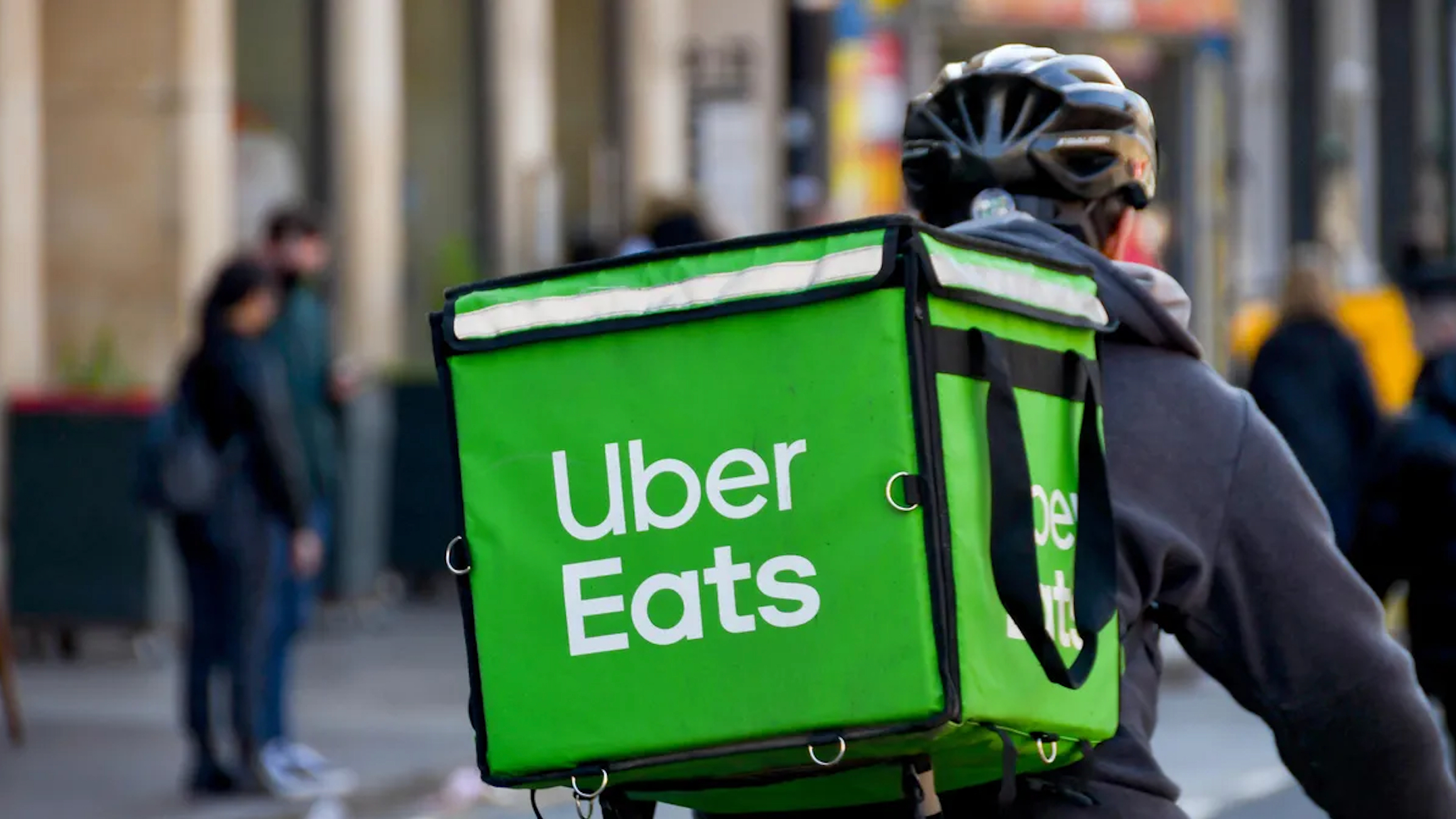
A recent expose by a former backend engineer from a mainstream U.S. food delivery application has peeled back the glossy veneer of big tech to reveal a chilling black box. In the viral Reddit post, the whistleblower alleged that within the platform’s internal logic, riders are no longer viewed as “partners,” but are coldly defined as “human assets.” To squeeze maximum profit from these assets, engineers were reportedly tasked with designing a precise and ruthless mechanism centered around a singular, disturbing concept: the “Desperation Score.”
This algorithmic logic completely upends the traditional commercial contract of “work more, earn more.” The system allegedly monitors rider behavior in real-time, specifically targeting those willing to work late nights in severe weather or those who instantly accept low-paying orders. In the eyes of the algorithm, this diligence isn’t a virtue; it is a signal of “high demand”—proof that the rider relies heavily on this income and lacks bargaining power. Once a rider is flagged as “desperate” or labeled as having “high loyalty,” the algorithm deliberately throttles their access to high-value orders. The system calculates that these workers will accept whatever scraps are thrown their way, no matter how low the payout.
Conversely, premium, high-paying orders are used as “bait,” fed exclusively to “casual riders” who log on sporadically. This strategy—known in some markets as “killing the loyal”—quantifies human vulnerability into profit margins. It exploits the survival anxiety of full-time workers to suppress delivery costs while using high rewards to lure in new labor supply. Because you are desperate, you are cheap. This mechanism creates a perverse “punishment for diligence”: the harder a laborer works and the more they rely on the platform, the lower their hourly income becomes. While CEOs of giants like DoorDash have been quick to deny these claims, their statements have done little to quell public suspicion surrounding Uber Eats and other major players.
The exploitation isn’t limited to the workers; the platforms have set traps for consumers as well. The so-called “Priority Delivery” service is often little more than an elaborate psychological swindle. When users pay extra to “cut the line,” the algorithm doesn’t necessarily optimize the physical route. Instead, it artificially delays the arrival times of standard orders to create the illusion that the priority order is faster. Not only are consumers paying for a phantom privilege, but the friction caused by these manufactured delays is also offloaded onto the riders. As for that extra “express fee”? It naturally lines the platform’s pockets, not the pockets of the rider rushing through traffic.
Parallel to this, a scandal regarding “time theft” has recently erupted in the Chinese food delivery market. Riders for the Taobao Delivery service discovered a shocking discrepancy between the app’s timer and the real world: for every minute that passed in reality, the app’s countdown clocked only 42 seconds.
These missing 18 seconds represent a hidden, insidious method of speed-up. It allows the platform to maintain a veneer of humanity—perhaps claiming they “don’t fine for overtime”—while physically compressing the measurement of time to increase delivery pressure by 30%. To chase this stolen time, riders are forced to ride faster and more recklessly. This mechanism of transferring pressure is far more deceptive, and oppressive, than any explicit fine.
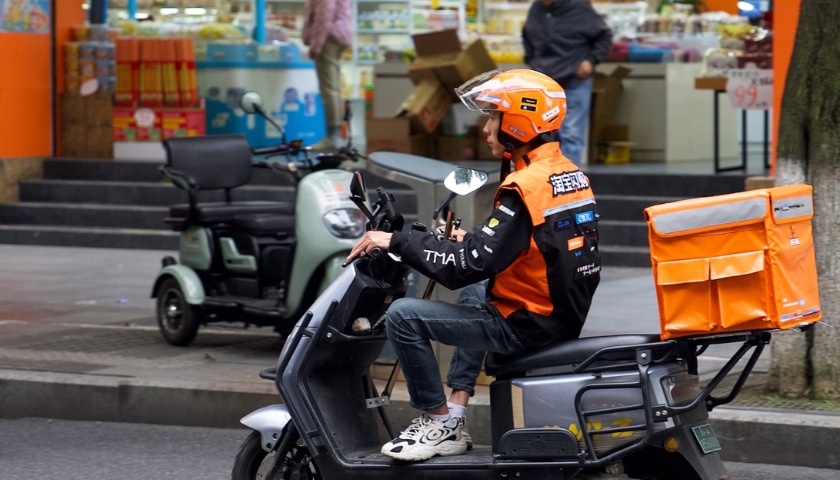
Whether it is the “Desperation Score” or the “Time Compression Algorithm,” both represent the erosion of worker agency by technical rationality and a masterful deflection of systemic contradictions. The logic bears a striking resemblance to the service industry’s tipping culture in the West, which has long been a subject of criticism.
While tipping may have originated as a reward for good service, in modern commercial logic, it has mutated into a tool for employers to offload payroll costs. When a consumer’s generosity is calculated into an employee’s expected income, employers feel justified in suppressing base wages. Some delivery platforms have even been accused of using a “tip crediting” mechanism, where the base delivery fee is dynamically lowered based on the tip amount. The result is that the rider’s total income doesn’t increase despite providing excellent service; instead, the customer’s goodwill effectively becomes a subsidy for the platform’s payroll. This not only shifts the labor-capital conflict onto the customer but also exacerbates a “race to the bottom” among workers. To fight for the remaining crumbs of the cake, laborers are forced to accept increasingly harsh conditions, while the platform, which distributes the cake, reaps the benefits.
We may be witnessing a redefinition of “work” by algorithms. It is no longer a simple exchange of labor for pay, but an asymmetric, unfair battle. The platforms hoard all the data, peering into the psychological baselines and physiological limits of every rider. Based on this, they devise strategies that extract the maximum surplus value while keeping the system barely functional.
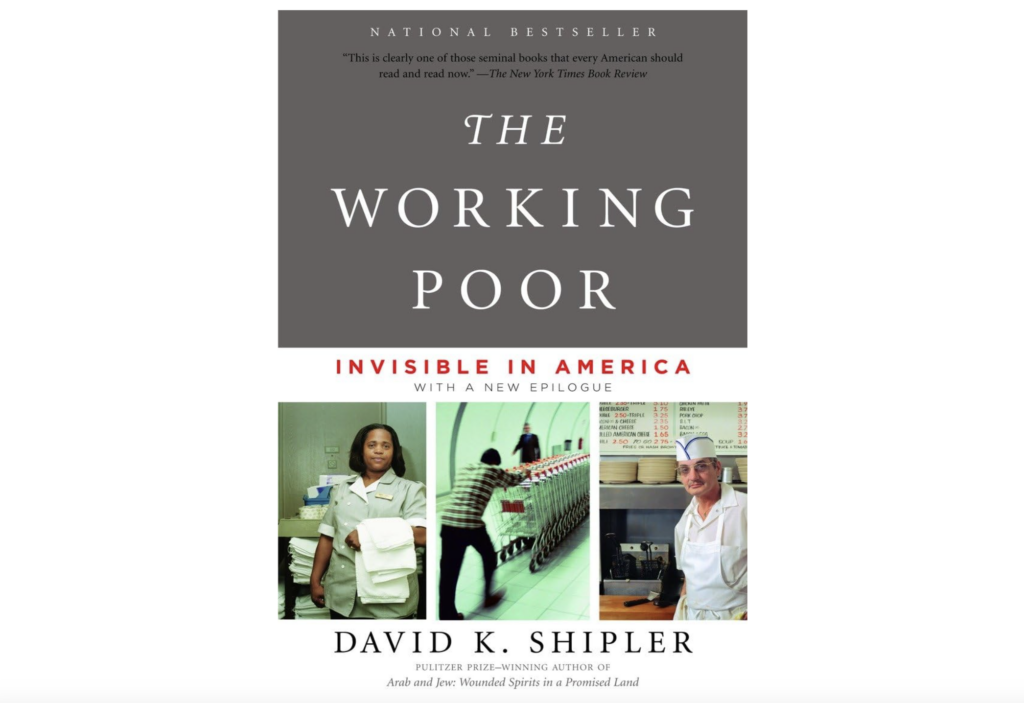
In 2004, American author David Shipler explored the structural causes behind the “working poor”—those who find it hardest to escape poverty the harder they work—in his book The Working Poor: Invisible in America. Over twenty years later, the problems Shipler described haven’t disappeared; they have simply undergone a digital upgrade. Laborers have been transformed into “assets” to be endlessly optimized and calculated by the system. Even “hard work” itself has been reduced to a manipulatable, cheap resource—a set of interlocking chains that continue to rattle behind the facade of algorithmic efficiency.

Leave a Reply